30/08/2023 · IsabelM
EXTRACTIVE INDUSTRY AND SUSTAINABILITY
What is the Extractive Industry? The extractive industry is the one that extracts resources and raw materials from nature, without altering their properties, including the activities of extracting minerals in their natural state: solids (coal and other ores), liquids (crude oil) and gases (natural gas), p
What is the Extractive Industry?
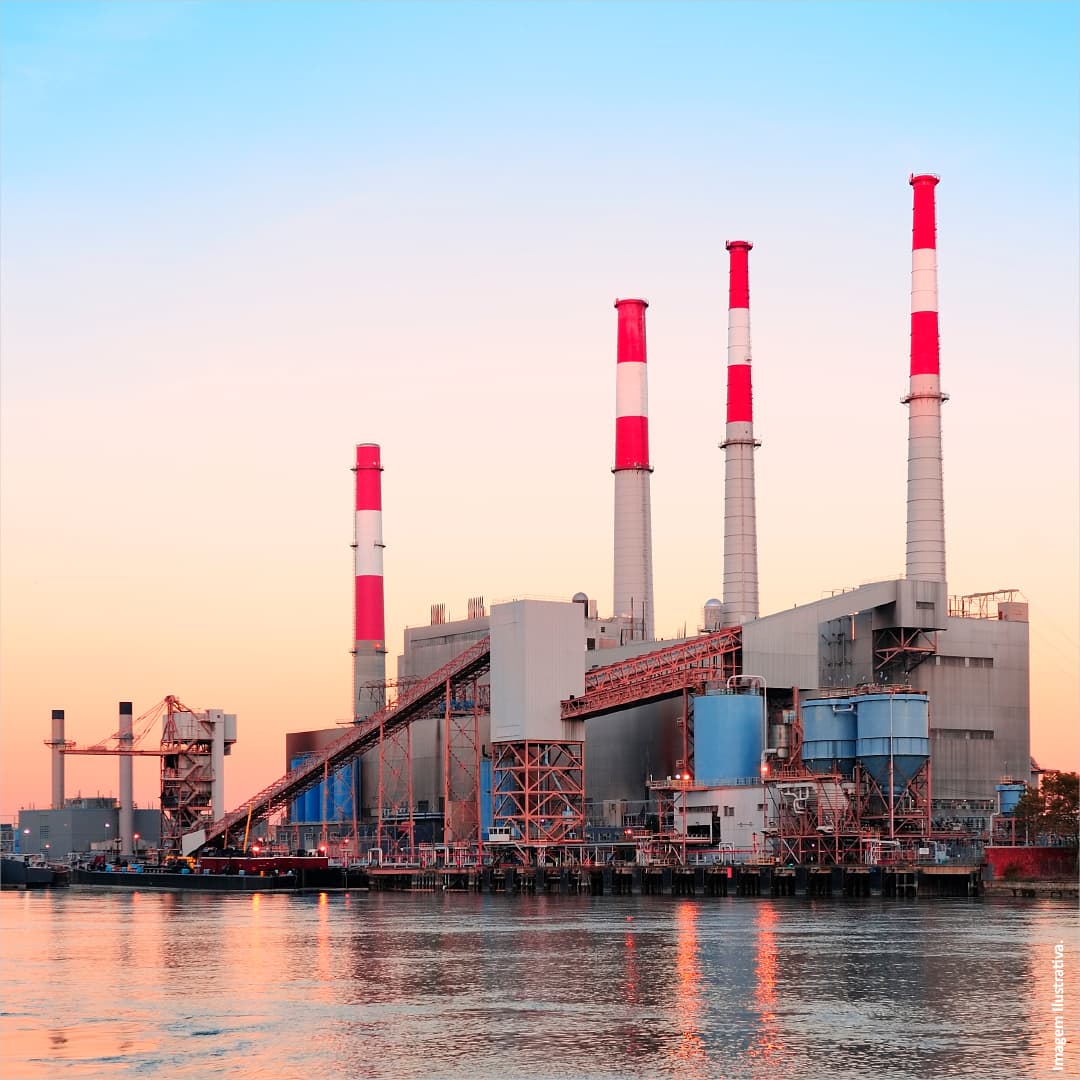
The extractive industry is the one that extracts resources and raw materials from nature, without altering their properties, including the activities of extracting minerals in their natural state: solids (coal and other ores), liquids (crude oil) and gases (natural gas), which can be carried out in underground mines, open-pit mines or wells, as well as complementary activities associated with extraction, carried out mainly to improve the quality of the product and facilitate marketing, such as crushing, classification, concentration, pulverization, flotation, and natural gas liquefaction.
The workforce of the extractive industry is invested in the capture of raw materials that will be transformed and manufactured. The extracted raw material goes to the transformation industries.
Extractive Industry in Portugal
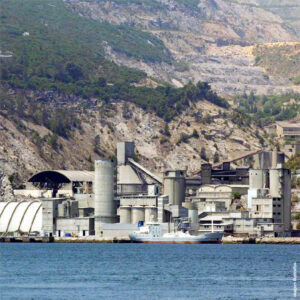
The mineral resources sector in Portugal has, in recent years, assumed a preponderant role in the performance of the national economy, having reached billions of euros in exports. In the specific case of natural stone, a remarkable international positioning has been built, which allows our industry to compete shoulder-to-shoulder with the main players worldwide.
Extractive Industry and Sustainable Responsibility
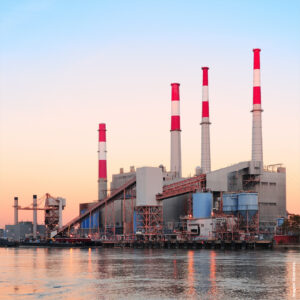
Being an economic sector dependent on mineral resources as raw material, there is a great responsibility in facing the challenges of the present and the duty to fight for a more eco-efficient industry and one more committed to society and the territory.
The need to recover, requalify and compensate the territory following extraction are processes that are now present in the activity. The options taken by the holders of mineral resources, as well as the techniques and processes adopted in the extraction and transformation of these raw materials, prioritize the valorization of the resource with practices based on integrated planning measures of the operations in a context of eco-efficiency and social responsibility, aware that it is a finite non-renewable resource.
Assimagra, the association representing the mineral resources industry in Portugal, has been acting over the last 10 years with the universe of its 230 member companies in the search for solutions for the paradigm shift regarding the sustainability of the extractive industry.
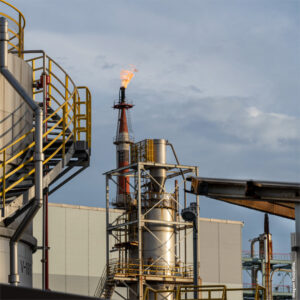
There are already success examples that ensure points of balance in territory management, making compatible, at first glance, contradictory realities. This is the case of more than 100 quarries located in the Serras d’Aire e Candeeiros Natural Park, where the goals of territory management allowed the sector to organize itself in a robust partnership, uniting the extractive sector with the covered Municipalities that monitor the methodologies used and the works with impact on the geological, geomorphological and landscape heritage. In the Alentejo marble region, work has been developed to articulate all stakeholders in the territory for the resolution of the constraints resulting from the current organization of the quarries.
The objective is to rethink the future projection of marble exploitation and space rehabilitation solutions, always considering factors related to the rational exploitation of the resource with a focus on safety, landscape recovery and waste management.
Opportunity in the Extractive Industry Sector in Electronic Auction until September 28!
#indústria extrativa#leilão eletrónico#leilosoc#pedreira#sustentabilidade
Keep reading
See all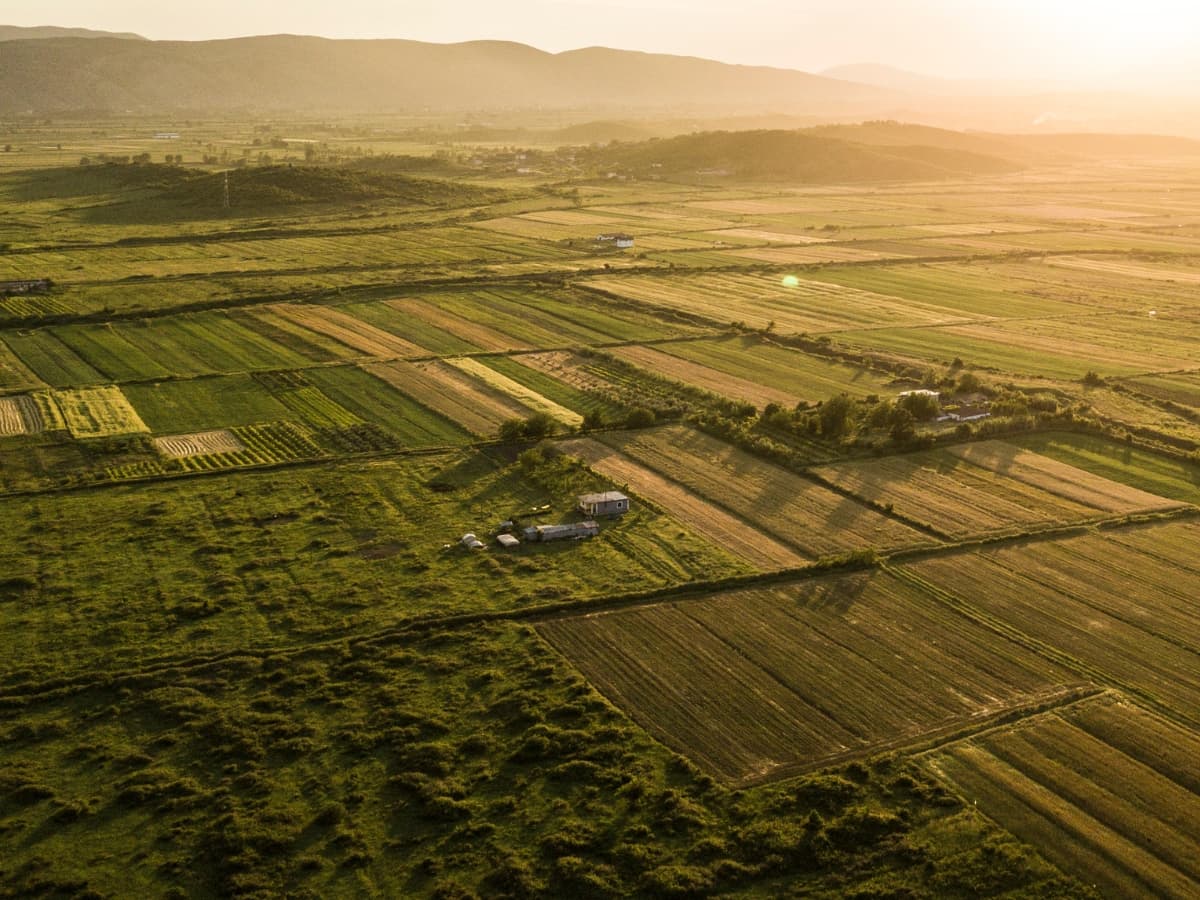
03/12/2024 · IsabelM
Land Law amended to enable housing construction on rural land
The Government approved a diploma in the Council of Ministers on November 28, which flexibilizes the…
Read more: Land Law amended to enable housing construction on rural land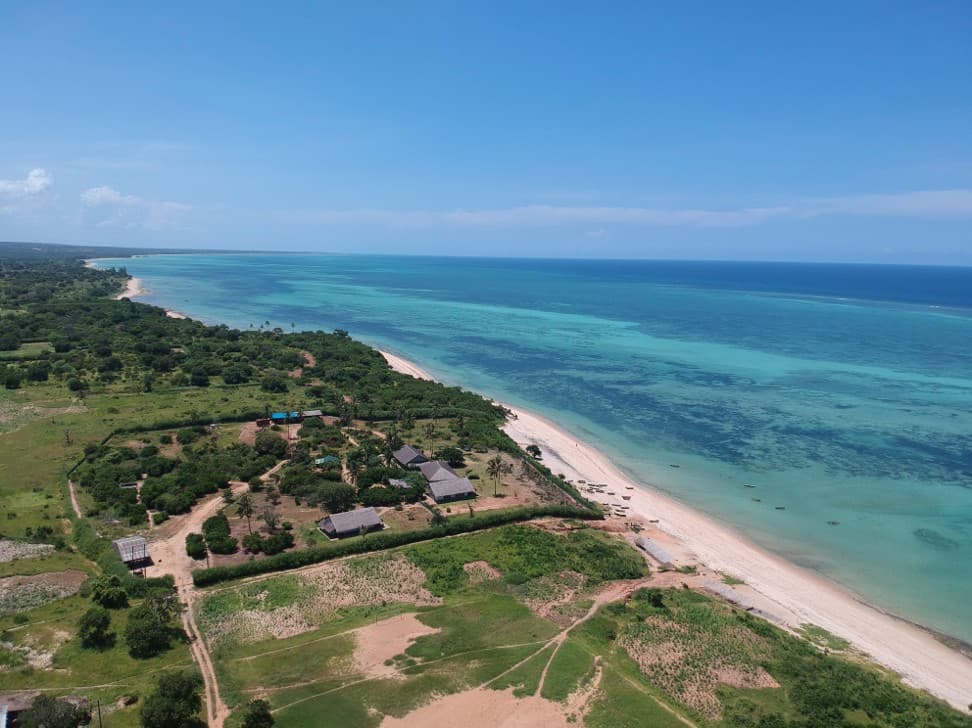
12/07/2024 · IsabelM
The Vital Importance of Tourism for the Development of Mozambique
Tourism Development - Pemba – Opportunity on LEILOSOC.COM! Tourism plays a crucial role in the econo…
Read more: The Vital Importance of Tourism for the Development of Mozambique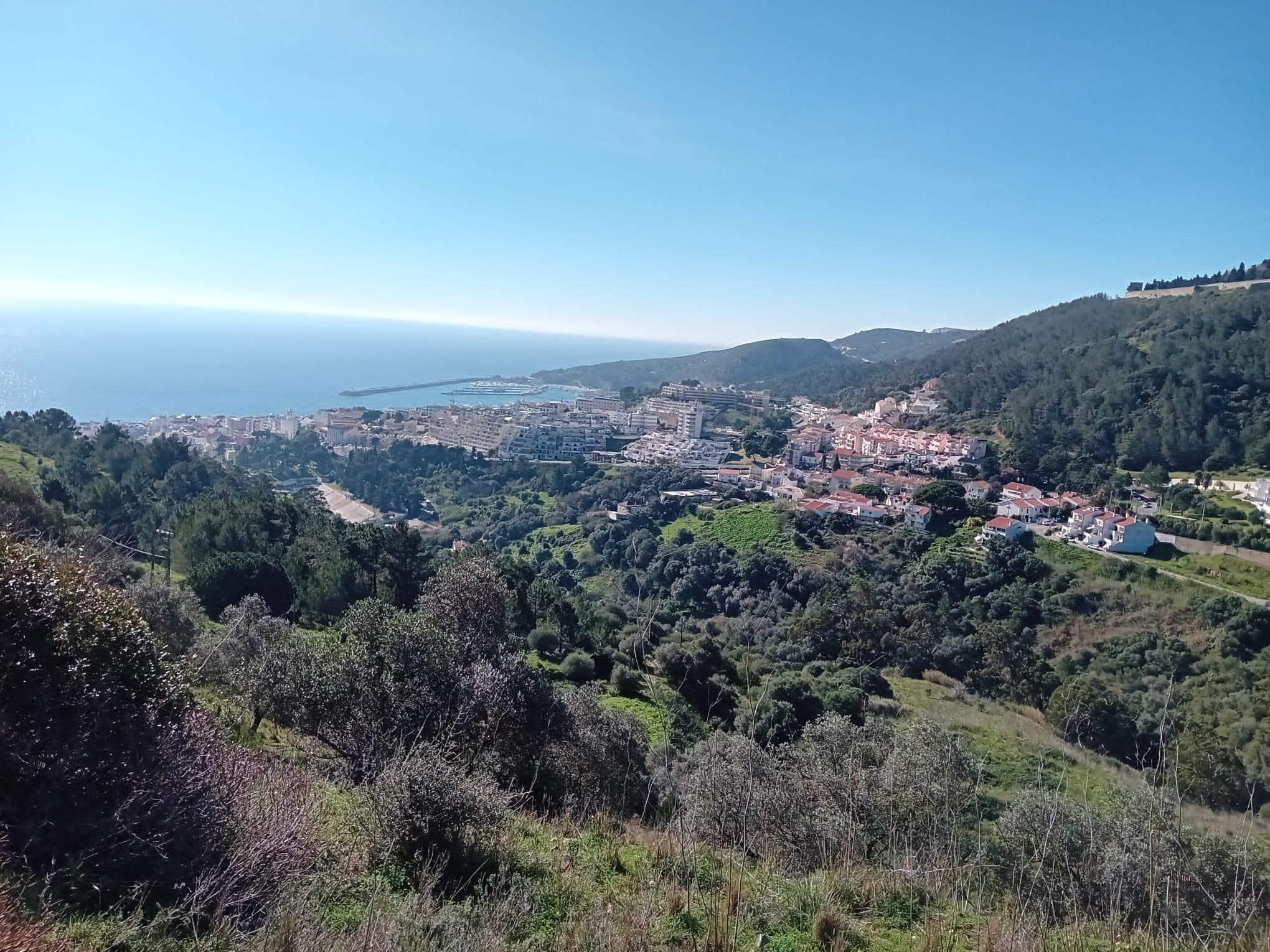
23/04/2024 · Cloe Mattos
SEA VIEW LAND FOR AUCTION AT 12 MILLION
This is the first large-sized sea view land (3.5 hectares) visible upon leaving the village of Caste…
Read more: SEA VIEW LAND FOR AUCTION AT 12 MILLION